
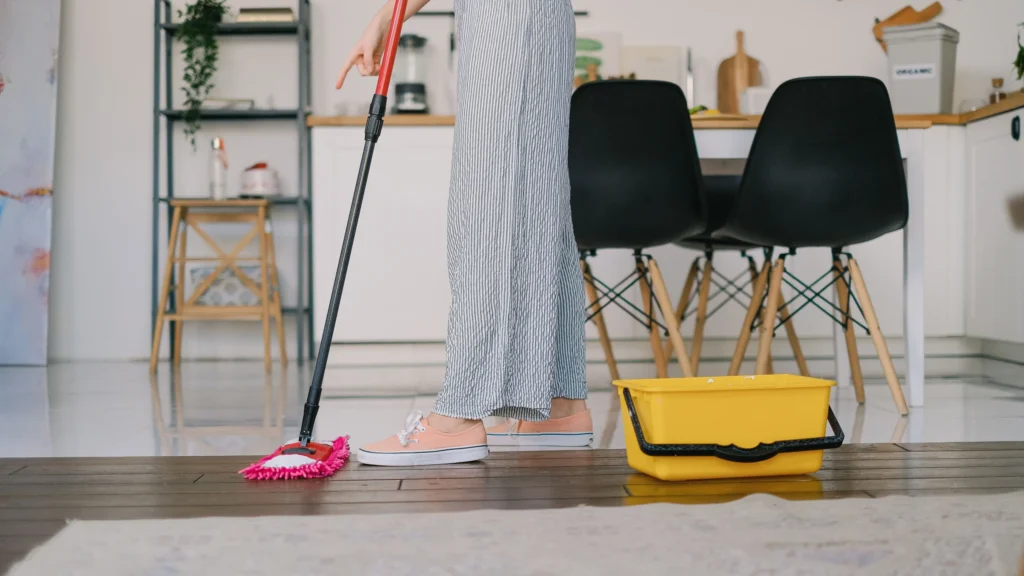
Learning how to keep your house clean can be challenging when you have a full-time job, family responsibilities, errands, and very little free time. Fortunately, a few simple habits can help you maintain a tidy home without spending hours cleaning every day. You may start the week with a tidy home, only to find laundry piling up, dishes filling the sink, and clutter returning a few days later.
The good news is that you do not need to spend hours cleaning every day to maintain a comfortable home. With a simple routine, a few time-saving habits, and realistic expectations, you can keep your home reasonably clean even when life gets busy.
In this guide, you will learn how to create a manageable cleaning schedule, finish everyday chores faster, prevent clutter from building up, and keep your home tidy without sacrificing your free time.
Table of Contents
1. Create a Simple Daily Cleaning Routine
One of the easiest ways to manage housework is to divide it into small daily tasks instead of waiting until the entire home needs attention.
A short routine can help prevent everyday messes from becoming overwhelming. Choose tasks that make the biggest difference to your household and repeat them consistently.
Try the 15-minute cleaning method
Set a timer for 15 minutes and focus on the areas that need the most attention. You do not have to finish everything. The goal is to make visible progress.
During those 15 minutes, you could:
- Wash dishes or load the dishwasher.
- Wipe kitchen counters and the dining table.
- Put shoes, bags, and other belongings away.
- Collect laundry and place it in the hamper.
- Clear clutter from the living room.
- Sweep a frequently used area if necessary.
Choose two or three tasks each day rather than trying to complete the entire list. On especially busy days, doing just one essential task is still helpful.
Build cleaning into your existing routine
Connect small chores to activities you already do. For example, wipe the bathroom sink after your morning routine, clean the kitchen counter after breakfast, or put away living room items before bed.
These small habits reduce the need for long cleaning sessions later.
2. Focus on High-Impact Areas First
When time is limited, not every room needs the same amount of attention every day. Prioritize the spaces you use most and the areas where mess accumulates quickly.
Start with the kitchen
The kitchen can become messy quickly because it is used throughout the day. A few simple habits can keep it manageable:
- Wash or rinse dishes after meals instead of letting them pile up.
- Wipe spills as soon as it is practical to do so.
- Return ingredients and utensils to their proper places.
- Clean the sink and counters regularly.
- Check the refrigerator for spoiled food as part of your normal food-safety routine.
You do not need to deep-clean every appliance daily. Save tasks such as cleaning the oven or organizing cupboards for your weekly or monthly schedule.
Keep the bathroom fresh
A clean bathroom does not always require a long scrubbing session. Keep suitable cleaning supplies nearby and use them according to their labels.
Try these habits:
- Wipe the sink after brushing your teeth.
- Hang towels so they can dry properly.
- Remove empty product containers.
- Keep frequently used toiletries organized.
- Clean the toilet, shower, and other surfaces on a regular schedule appropriate for your household.
Never mix cleaning products, especially bleach with ammonia or acidic cleaners. Mixing chemicals can release dangerous gases. Follow product labels, ventilate the area, and keep cleaning products away from children and pets.
For additional household cleaning guidance, consult the U.S. Environmental Protection Agency’s information on indoor air quality.
Give the living room a quick reset
The living room often looks messy because of small items left behind throughout the day.
Spend a few minutes returning remote controls, books, blankets, toys, and cups to their proper places. Straighten cushions and fold blankets if needed.
A quick reset before bedtime makes the room more comfortable to use the next morning.
3. Follow a Weekly Cleaning Schedule
A weekly cleaning schedule helps you spread household chores across several days. Instead of spending your entire weekend cleaning, assign one main task to each day.
Here is an example you can adjust to your needs.
| Day | Main cleaning task | Estimated time |
|---|---|---|
| Monday | Dust frequently used surfaces | 10–15 minutes |
| Tuesday | Clean the bathroom | 15–20 minutes |
| Wednesday | Vacuum or sweep floors | 15–20 minutes |
| Thursday | Change bed linens and collect laundry | 15–20 minutes |
| Friday | Clean kitchen surfaces and check the refrigerator | 15–20 minutes |
| Saturday | Tackle one deeper-cleaning task | 20–30 minutes |
| Sunday | Prepare for the week and tidy clutter | 10–15 minutes |
These times are examples, not strict rules. A large home, pets, young children, or several occupants may require more attention. A small household may need less.
Adjust the schedule to your lifestyle
If weekdays are particularly busy, move more demanding chores to a day when you have extra time. If weekends are reserved for family activities, divide the tasks into shorter sessions during the week.
The most effective schedule is one you can maintain. Missing a day does not mean you have failed; simply continue with the next manageable task.
4. Declutter a Little Every Day
Clutter makes cleaning more difficult because you must move items before you can wipe surfaces, vacuum floors, or organize a room.
You do not need to declutter your entire house in one afternoon. Start with a small area and work gradually.
Use the one-minute rule
If a task takes about a minute and you can safely complete it immediately, consider doing it instead of postponing it.
Examples include:
- Putting a mug in the kitchen.
- Hanging up a jacket.
- Throwing away an empty package.
- Returning a book to its shelf.
- Placing dirty clothes in the laundry basket.
Not every small task needs immediate attention, especially when you are working or caring for someone. Use this approach when it fits naturally into your day.
Give everyday items a permanent home
Designate specific places for commonly misplaced items, such as keys, mail, shoes, chargers, and school bags.
A small basket near the entrance can collect items that need to be taken elsewhere. Empty it regularly so it does not become another source of clutter.
If you have limited storage space, use the storage you already own before buying new containers. Reducing unnecessary belongings can make a small home easier to maintain.
5. Make Laundry Easier to Manage
Laundry can become a major source of stress when clean clothes remain in baskets or dirty clothes accumulate for several days.
The solution is to establish a routine that matches the amount of laundry your household produces.
Try a simple laundry system
- Place hampers where people naturally change clothes.
- Separate laundry according to fabric-care labels and your household’s washing needs.
- Wash a manageable load when you have enough items for an efficient cycle.
- Move clean clothes to the dryer or drying area promptly, following garment-care instructions.
- Fold or hang clothes and put them away as soon as practical.
If folding takes too much time, simplify the system. Everyday clothing can be stored in labeled drawers, while items that wrinkle easily can be hung.
Avoid running the washing machine or dryer when you cannot follow the appliance’s safety instructions. Clean lint filters as directed by the manufacturer, and never leave a dryer running when you are away or asleep if its safety guidance advises against it.
6. Use the Right Cleaning Tools
You do not need a cupboard full of expensive cleaning products to maintain a tidy home. A small collection of suitable supplies can make everyday chores easier.
Consider keeping these items accessible:
- Microfiber cloths for suitable household surfaces.
- A broom, dustpan, or vacuum cleaner.
- A mop appropriate for your flooring.
- Dishwashing liquid.
- A general-purpose cleaner suitable for your surfaces.
- Bathroom cleaner, if needed.
- Cleaning gloves when recommended by the product label.
Store products safely in their original containers and follow the instructions for dilution, contact time, ventilation, and protective equipment.
Use separate cloths for areas such as toilets and kitchen counters to reduce the risk of spreading contamination. Wash reusable cloths regularly according to their care instructions.
Keep all cleaning products securely away from children and pets. You can find additional practical cleaning resources through the American Cleaning Institute’s cleaning and maintenance guidance.
7. Involve the Whole Family
If you share your home with other people, cleaning does not have to be one person’s responsibility.
Even young children can help with simple, age-appropriate tasks when supervised. Older children and adults can take responsibility for specific chores.
For example:
- Children can put away toys and books.
- Teenagers can manage their laundry and keep their rooms reasonably tidy.
- Adults can rotate kitchen, bathroom, and floor-cleaning responsibilities.
- Everyone can return personal belongings to their designated places.
Create a short household chore list and make expectations clear. Rotating responsibilities can help prevent one person from doing the majority of the work.
Avoid assigning tasks that are unsafe for a child’s age or ability. Children should not handle strong cleaning chemicals, sharp tools, or heavy equipment without appropriate adult supervision.
8. Clean Smarter by Preventing Messes
One of the best time-saving cleaning strategies is to reduce the amount of mess that develops in the first place.
Try these practical habits
Take off outdoor shoes at the entrance. This can reduce the amount of dirt tracked into your home. Provide a designated place for shoes so they do not create clutter.
Clean spills promptly. Addressing spills early can make them easier to remove and may help prevent stains. Use a cleaning method suitable for the material.
Keep a small cleaning kit nearby. Store suitable supplies in a secure, convenient place so you do not waste time searching for them.
Put things away after use. Returning items to their usual locations prevents clutter from spreading from room to room.
Keep flat surfaces manageable. Kitchen counters, dining tables, and bedside tables are easier to wipe when they are not covered with unnecessary objects.
Use doormats. Place mats at frequently used entrances and clean them regularly.
These habits may seem minor, but they make regular cleaning simpler and help your home stay comfortable between deeper cleaning sessions.
9. Avoid Common Cleaning Mistakes
Trying to keep a house clean can become frustrating if your approach demands too much time or effort.
Watch out for these common mistakes:
- Trying to clean the entire house every day: Focus on essential daily tasks and rotate other chores.
- Waiting until everything is dirty: Small, regular efforts can prevent chores from becoming overwhelming.
- Buying too many cleaning products: Choose a few products that suit your home’s surfaces and needs.
- Ignoring frequently touched surfaces: Clean them regularly, especially when someone in the household is ill, using appropriate product instructions.
- Expecting perfection: A functional, comfortable home does not need to look spotless all the time.
- Making an unrealistic schedule: Leave room for work, rest, family time, and unexpected responsibilities.
If you miss a cleaning session, do not try to make up for everything at once. Start again with the most important task.
10. A Simple 20-Minute Daily Cleaning Plan
If you are unsure where to start, try this flexible routine. Adjust the order and timing to suit your household.
Minutes 1–5: Clear clutter
Return misplaced items to their homes, collect rubbish, and clear the main surfaces.
Minutes 6–10: Reset the kitchen
Wash or load dishes, wipe suitable counter surfaces, and put away food and utensils.
Minutes 11–15: Refresh one room
Choose the bathroom, living room, or bedroom. Straighten items, wipe a surface, or clean a small area that needs attention.
Minutes 16–20: Finish one priority task
Start a laundry load, sweep a high-traffic area, or prepare the home for the next morning.
You can rotate the room or task each day. On busy evenings, shorten the routine to five minutes and focus on the essentials.
The purpose is not to finish every chore in 20 minutes. It is to make steady progress without allowing small messes to accumulate.

Frequently Asked Questions
1. How can I keep my house clean when I work full-time?
Focus on a short daily reset, clean up after meals, and assign one main chore to each day. Prepare a simple weekly schedule and save larger jobs for times when you have more energy.
2. How much time should I spend cleaning every day?
There is no single amount of time that works for every household. You might begin with 10–20 minutes a day and adjust based on your home’s size, the number of occupants, and your needs.
3. What should I clean first when my house is very messy?
Start with rubbish and items that belong elsewhere. Then focus on dishes, kitchen surfaces, and the areas you need to use most. Work on one room or small zone at a time instead of trying to tackle everything simultaneously.
4. How do I keep my house clean with children?
Create simple routines, use accessible storage for toys, and assign age-appropriate chores. A quick family tidy-up before bedtime can help restore order without expecting the home to remain perfect throughout the day.
5. How can I make cleaning less stressful?
Break chores into small tasks, use a realistic schedule, and focus on progress rather than perfection. Share responsibilities when possible and allow yourself to rest when you need to.
Conclusion
Keeping your house clean with a busy schedule is easier when you stop treating cleaning as one enormous job. A short daily routine, a practical weekly schedule, simple decluttering habits, and shared household responsibilities can make a noticeable difference.
Start with the areas that matter most, choose a few habits you can repeat consistently, and adjust your routine when life gets busy. You do not need a spotless home every day. You need a home that feels comfortable, safe, and manageable for the people who live in it.
Choose one small task to begin today. Over time, those small efforts can help you maintain a cleaner home while leaving more room for work, family, and relaxation.