
Wishing your hair would grow faster is one of the most common beauty goals, and one of the most surrounded by myths. The honest answer is that no product or trick can dramatically speed up how fast your hair grows. What you can do is support a healthy scalp, give your body what it needs, and stop the breakage that makes hair look like it isn’t growing at all.
This guide covers what is realistic, what helps, and what to skip.
Table of Contents
How Fast Does Hair Really Grow?
On average, scalp hair grows about half an inch (roughly 1.25 cm) per month, or around 6 inches a year. Your personal rate depends mostly on genetics and age, so it can’t be changed much.
Many people who say their hair “won’t grow” are actually losing length to breakage at the ends. If your hair grows half an inch a month but you lose that much to damage, you’ll never see progress. So the best strategy is to support growth and protect the length you already have.
1. Eat a Balanced Diet
Hair is made mostly of protein, and your follicles need steady fuel. Good everyday choices include:
- Protein: eggs, fish, poultry, beans, lentils, nuts, and yogurt
- Iron: red meat, spinach, and lentils (pair plant sources with vitamin C to absorb more)
- Healthy fats: olive oil, avocado, nuts, and oily fish
- Fruits and vegetables: for vitamins and antioxidants
Eating too few calories can backfire. The American Academy of Dermatology (AAD) notes that eating too few calories every day can cause significant hair loss, so crash diets are bad news for your hair.
2. Be Careful With Supplements
Hair supplements are heavily marketed, but they mainly help people who are truly deficient in something. More is not always better. The AAD says that too much of certain nutrients, including selenium, vitamin A, and vitamin E, has been linked to hair loss.
Biotin deserves a special warning. The FDA has cautioned that biotin can interfere with certain lab tests and cause incorrect results, and it is found in many hair, skin, and nail products. If you take it, tell your doctor before any blood test.
If you suspect a deficiency (such as iron or vitamin D), ask a doctor for a blood test before buying supplements.
3. Massage Your Scalp
A gentle scalp massage is free and relaxing. In a small study of nine healthy men, 4 minutes of standardized scalp massage a day for 24 weeks was followed by an increase in hair thickness. Keep in mind that the study measured thickness, not faster growth, and it was very small.
How to do it:
- Use the pads of your fingers, not your nails.
- Press gently and move in small circles across your whole scalp.
- Spend 3 to 5 minutes, ideally while shampooing or applying oil.
4. Keep Your Scalp Clean and Healthy
Healthy hair starts at the scalp. Buildup and dandruff can make hair look thin and irritate the skin.
- Wash oily hair more often and chemically treated hair less often.
- Focus shampoo on the scalp and conditioner on the lengths and tips.
- Use a suitable anti-dandruff shampoo if you see flakes.
- See a doctor if your scalp is itchy, red, or flaky despite treatment.
The AAD’s healthy hair tips cover these washing basics in more detail.
5. Reduce Heat Damage
Frequent hot tools weaken hair and cause splitting and breakage, which cancels out any growth.
- Let your hair air-dry when you can.
- Use a heat protectant before blow-drying or styling.
- Choose the lowest heat setting that works.
- Take heat-free days during the week.
6. Handle Wet Hair and Hairstyles Gently
Hair is more fragile when wet.
- Detangle with a wide-tooth comb, starting from the ends and working upward.
- Pat hair dry with a soft towel instead of rubbing it.
- Use soft hair ties without metal parts.
- Avoid very tight styles every day.
That last point matters more than it seems. According to the AAD, tight hairstyles can cause traction alopecia, a form of hair loss from repeated pulling that can become permanent. The AAD also warns that tugging on hair while brushing or combing can lead to hair loss.
7. Trim Regularly (It Won’t Speed Up Growth)
Trimming doesn’t make hair grow faster, because growth happens at the root. But removing split ends stops damage from traveling up the strand. A small trim every 8 to 12 weeks helps you keep the length you grow.
8. Try Natural Treatments With Realistic Expectations
Oils and masks are popular for softness and shine.
- Oiling: Coconut, olive, or argan oil on the lengths can reduce friction and make hair feel smoother. Apply a small amount before washing.
- Rosemary oil: A 2015 trial randomized 100 men with pattern hair loss to rosemary oil or 2% minoxidil for six months. Rosemary oil performed similarly to minoxidil, with no significant difference at three months. It was a small study in men with hereditary hair loss, so it doesn’t prove rosemary oil works for everyone. Always dilute essential oils in a carrier oil and never apply them undiluted.
- Rice water and other home remedies: Popular online, but there is little solid evidence that they speed up growth.
Patch test first: Apply a small amount of any new product to your inner arm and wait 24 hours. Stop using it if you notice redness, burning, or itching.
9. Manage Stress and Sleep Well
Major stress, illness, crash dieting, and some medications can push more hairs into the shedding phase, a condition called telogen effluvium. It is common, and the acute form is self-limited, meaning it usually resolves on its own. Good sleep, regular movement, and ways to relax all support healthy hair.
Common Mistakes That Slow Your Progress
- Expecting overnight results. Hair takes months to show a visible difference.
- Washing with very hot water, which can dry out the scalp and hair.
- Overusing heat, bleach, and harsh chemical treatments.
- Skipping conditioner.
- Brushing aggressively, especially on wet hair.
- Buying expensive “miracle” growth products with no evidence behind them.
When to See a Doctor
Talk to a doctor or dermatologist if you notice:
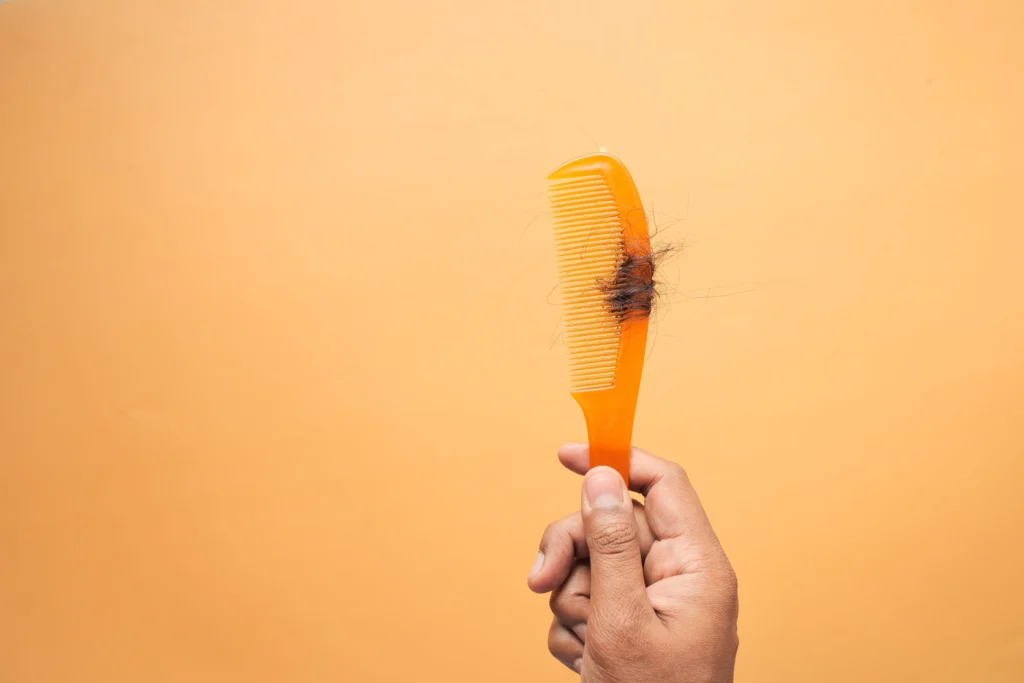
- Sudden or heavy hair shedding
- Bald patches
- Thinning along your part or hairline that keeps progressing
- A painful, very itchy, or scaly scalp
Hair loss can have medical causes, such as thyroid problems or hormonal changes. The AAD advises seeing a board-certified dermatologist if you’re concerned, because the sooner an issue is addressed, the better your results.
Frequently Asked Questions
How long does it take to see results?
Hair grows slowly, so give new habits at least 3 to 6 months. Less breakage and a healthier scalp may show up sooner.
Does cutting hair make it grow faster?
No. Trimming removes damaged ends so you keep more length, but it doesn’t change the growth rate at the root.
Does washing hair every day cause hair loss?
Normal washing doesn’t cause hair loss. The hairs you see in the drain have already been shed naturally. Wash according to your scalp type and use a gentle shampoo.
Do hair growth vitamins work?
They mainly help people with a real deficiency. Ask a doctor before taking high doses.
Can I make my hair grow an inch in a week?
No. Healthy hair grows about half an inch per month, and any product promising dramatically faster growth is not realistic.
Conclusion
You can’t force your hair to grow much faster than your genes allow, but you can create the best conditions for it: eat a balanced diet, keep your scalp healthy, reduce heat and tension, trim the ends, and handle your hair gently. Combine these habits, be patient, and you’ll keep more of the length you grow. If you’re worried about shedding or thinning, a doctor can help find the cause.
This article is for general information and is not medical advice.